Eastex Astronomy – The Adventure Continues!
I liked using WordPress for the Texas Dirt Road Adventures blog so much that I decided to give the old Eastex Astronomy blog a facelift and move it over to…
Read MoreI liked using WordPress for the Texas Dirt Road Adventures blog so much that I decided to give the old Eastex Astronomy blog a facelift and move it over to…
Read More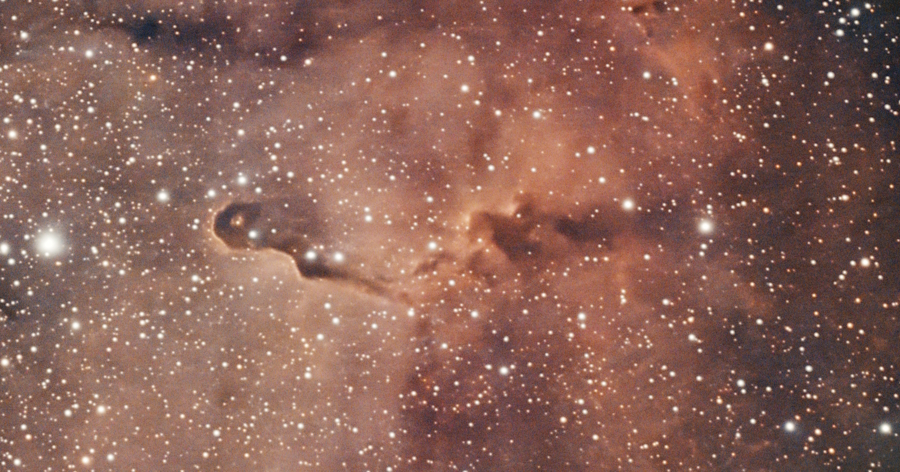
This is my second attempt at the Elephant's Trunk Nebula, IC 1396, with the Dwarf 3. I'm going to revisit several objects over the next few months, applying new image…
Read More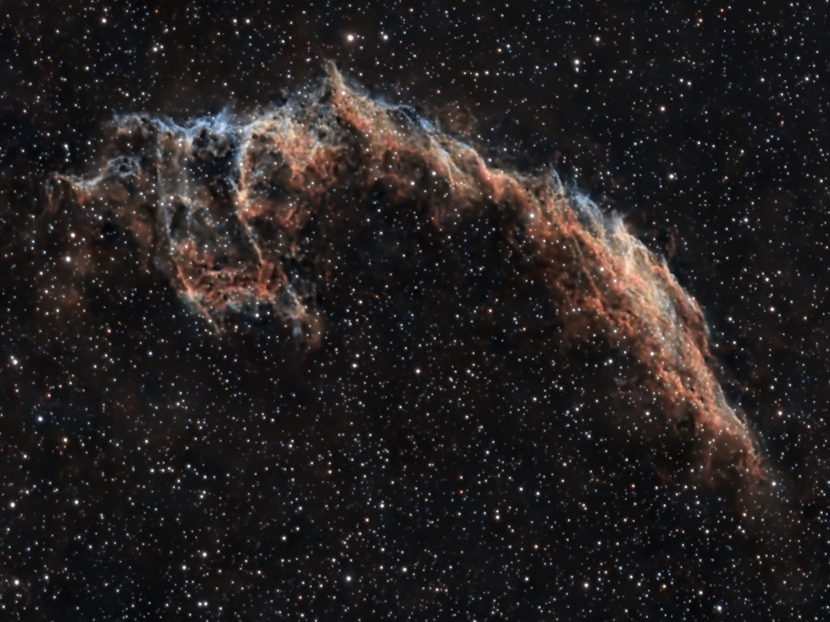
The Cygnus Loop is a supernova remnant located off the western wing of Cygnus, the Swan. Although faint, the nebula is huge from our point of view, spanning six times…
Read More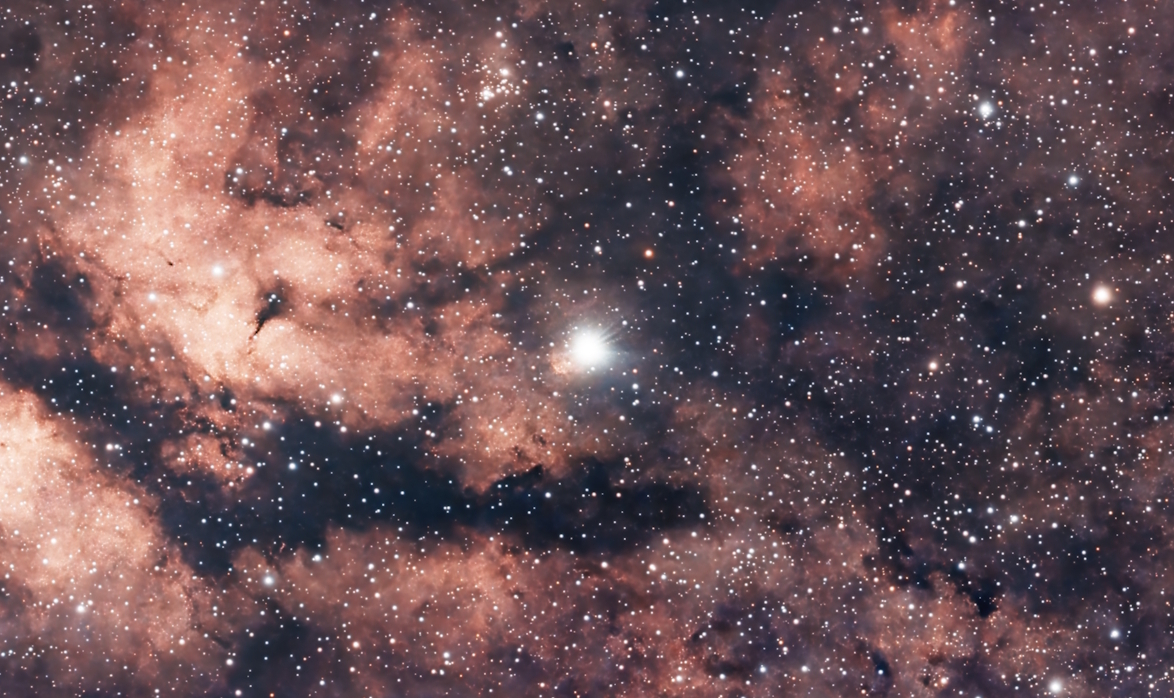
A family member is celebrating a birthday soon. Her middle name is Celeste, which means "of the sky" or "heavenly." Of course, I clicked on that fact as soon as…
Read More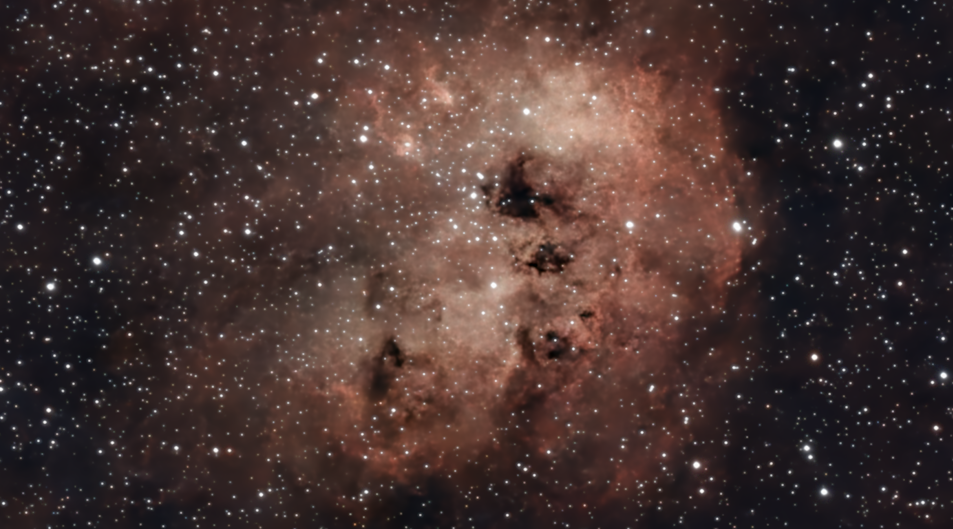
Back in January 2026, I attempted to image both the Flaming Star and Tadpole Nebulae in the constellation Auriga. The results weren't quite what I had hoped for, but it…
Read More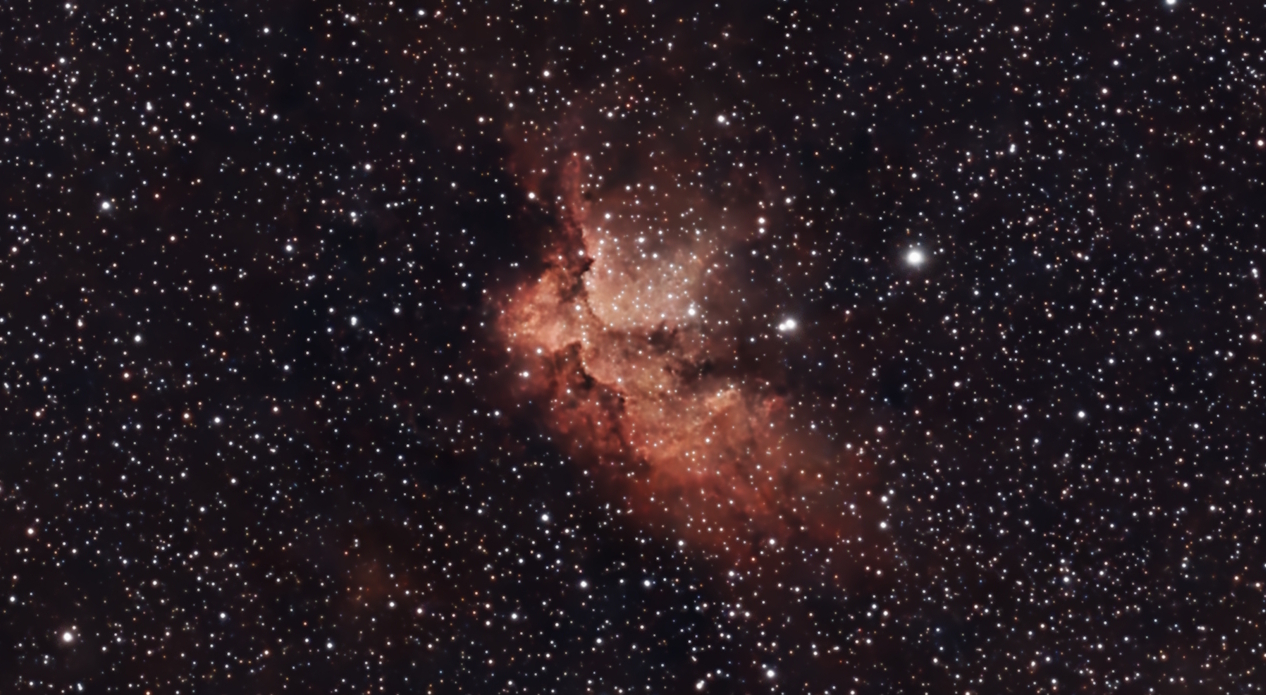
Here's one that has presented a challenge to me. The Wizard Nebula, cataloged as Sh 2-142, is an emission nebula located in the Cepheus constellation. It surrounds open star cluster…
Read More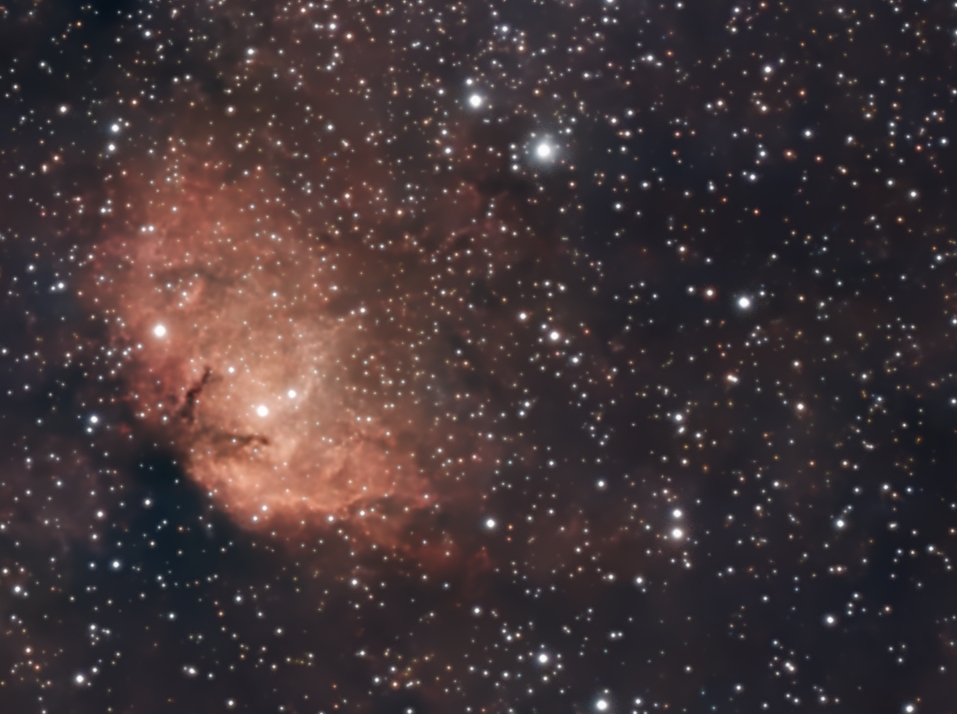
The Cygnus constellation is full of interesting objects and is one of my favorite parts of the sky to explore. Among the many nebulae located in this region is the…
Read More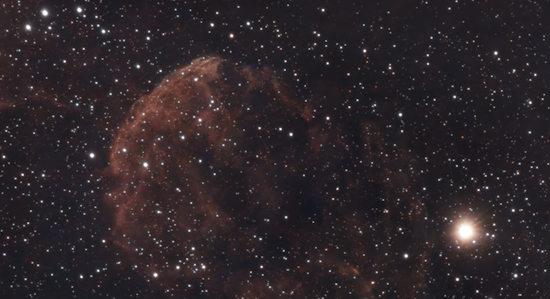
Here is yet another deep sky object that I would have never been able to capture with my old camera. The Dwarf 3 continues to impress me. The Jellyfish Nebula…
Read MoreIf you've followed this blog and its predecessor for long, you'll know that I like to go back and reprocess images when I have access to new tools or learn…
Read More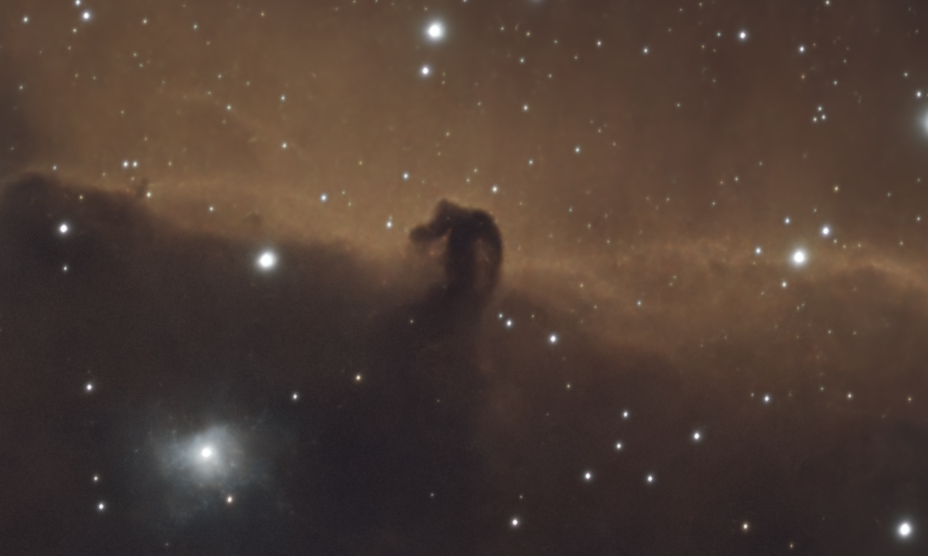
Here is another one that I've had in the wings for a while. I started imaging the region around the Horsehead Nebula in the constellation Orion back in January 2026.…
Read More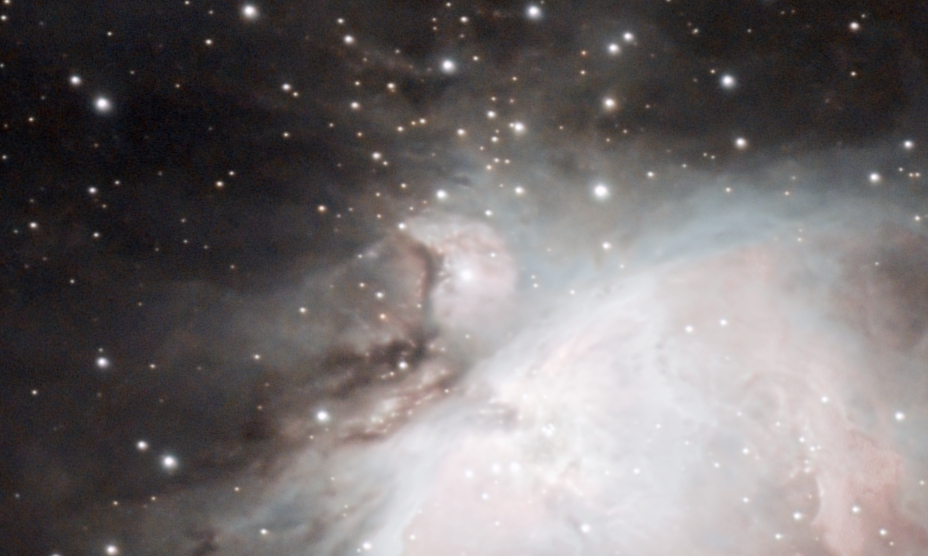
Edit: Corrected the Cosmic Clarity Sharpen parameters. I went back and reprocessed this image using the SyQon Prism script for denoising ("Prism Mini" model). I think the results turned out…
Read More